
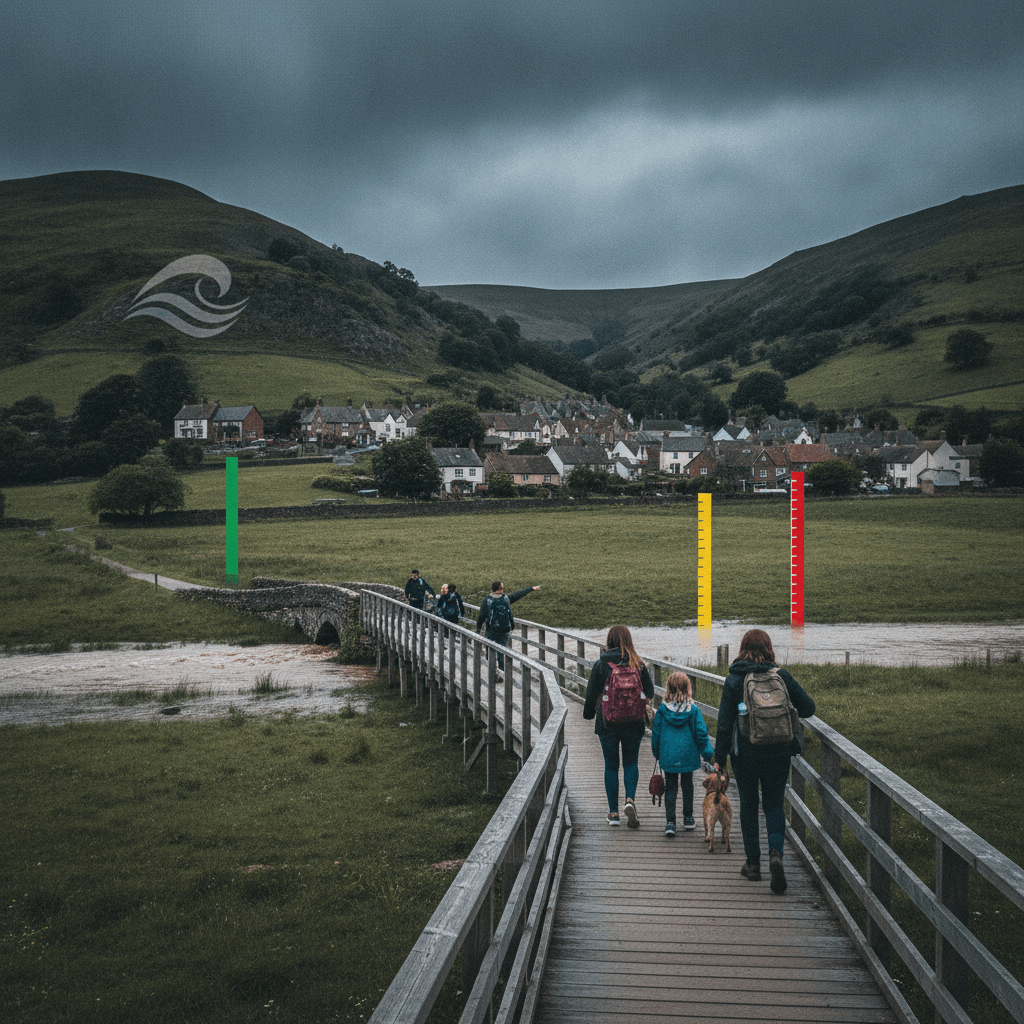
Living in a beautiful area like Devon comes with unique considerations. Our stunning landscapes often mean we are close to rivers, coastlines, and hilly terrain. This natural beauty also means a higher risk of flooding for some properties.
I know many residents in Devon have experienced the impact of heavy rains and rising water firsthand. It is a frightening situation that can cause extensive damage and disruption. We must move past hoping it will not happen and instead focus on proactive measures.
Understanding your personal flood risk is the first and most important step. Taking the time to assess this risk can help you avoid a Devon flood disaster and protect your home and family. I believe being prepared can make all the difference when extreme weather hits our region.
Understanding Devon’s Flood Landscape
Devon is a county shaped by its rivers and coastline. We have a diverse geography, so flood risks here are not all the same. I see different challenges depending on whether you live by a major river, near the sea, or in a low-lying urban area.
River flooding occurs when prolonged rainfall causes water levels to rise and burst banks. Surface water flooding happens when drainage systems cannot cope with heavy downpours. Then there is coastal flooding, which comes from high tides and storm surges. It is important to know which type of flooding could affect your property.
These varied conditions mean a general approach to flood protection simply is not enough. You need specific knowledge about your location. I have learned that even properties just a few streets apart can face very different risks. This local understanding is truly key for effective planning.
Weather patterns are also changing. We have seen more intense rainfall events in recent years. This makes it more urgent for everyone in Devon to understand their specific vulnerabilities. Ignoring these signs puts homes and lives at unnecessary risk.
Rivers and Catchments
Devon’s many rivers, like the Exe, Taw, and Dart, are vital to our ecosystem. They also present significant flood risks, particularly during periods of heavy and continuous rainfall. I have witnessed how quickly these rivers can swell, turning tranquil scenes into dangerous torrents.
The geography of river catchments plays a large role. Steep-sided valleys can funnel water quickly into river systems. This means upstream rainfall can affect properties far downstream very rapidly. Monitoring river levels becomes critical for those in affected areas.
Flash flooding is also a concern in certain river valleys. This is where water rises extremely fast with little warning. Being aware of your proximity to these waterways is not just about scenic views. It is about understanding a real and present danger.
Coastal Vulnerabilities
Our beautiful coastline stretches for miles. This means many Devon communities are exposed to coastal flooding. High tides, especially when combined with strong winds and storm surges, can push seawater inland. This can overwhelm coastal defenses and inundate properties.
Areas like towns along the Exe Estuary or parts of Torbay are particularly vulnerable. I know residents in these locations live with the constant threat of the sea. Protecting these communities requires robust infrastructure and vigilant monitoring.
Coastal erosion also contributes to the risk. Weakened natural defenses can make land more susceptible to wave action and inundation. Understanding the long-term changes to our coast is an important part of managing flood risk. It is a continuous challenge that we face.
Key Steps to Assess Your Flood Risk
Assessing your flood risk does not have to be a complicated process. There are clear steps you can take to gather the information you need. I always advise starting with accessible resources. These tools provide a foundational understanding of your local environment.
Many people assume they are safe because they do not live directly by a river or the sea. But surface water flooding from heavy rain can affect anyone. It happens when roads and fields cannot absorb enough water. Your property might be at risk even if it is far from traditional water bodies.
Consider your property’s elevation and local topography. Is your home at the bottom of a hill or in a natural dip? These factors increase the chance of water pooling around your foundations. A small slope can direct a surprising amount of water towards your home.
I also recommend talking to your neighbors. They might have historical insights into past flood events in your area. This community knowledge can be incredibly valuable. It fills in gaps that official data might miss.
Checking Online Resources
The internet offers several excellent resources for checking flood risk. I always direct people to official government and environmental agency websites first. They provide detailed maps and alerts that are specific to your postcode.
You can input your address and see color-coded risk levels for different types of flooding. This includes river, surface water, and coastal flood risks. These maps also often indicate areas with flood warning services. Knowing this information helps you subscribe to alerts relevant to your home.
For more detailed information, I suggest you consult this Devon flood risk guide. It provides comprehensive steps for homeowners to conduct thorough flood risk assessments. This resource is designed to empower you with the knowledge to protect your property effectively.
Using these online tools is quick and free. It gives you a clear picture of your property’s vulnerability. This initial check is a critical part of any flood preparedness plan. Do not delay in making this simple inquiry. It might save you from significant trouble.
Local Knowledge and History
Beyond official maps, local knowledge is an invaluable asset. People who have lived in an area for many years often remember past flood events. They know which roads become impassable or which fields turn into temporary lakes.
Speak to long-term residents, local councils, or community groups. They can provide anecdotal evidence that complements scientific data. I find that this on-the-ground information paints a more complete picture. It helps you understand specific nuances of your immediate surroundings.
Look for signs of previous flooding in your neighborhood. Water stains on walls, debris lines, or rebuilt flood defenses can offer clues. These physical indicators confirm historical risk. They serve as a reminder that future events are possible.
This historical perspective is not meant to cause alarm. It empowers you with practical foresight. Knowing what happened before helps you prepare for what might happen again. Always combine this local insight with official data for the best assessment.
Preparing for Potential Flood Events
Once you understand your flood risk, the next step is to prepare. This involves both immediate actions and longer-term strategies. I believe that being proactive saves a lot of stress and damage when a flood warning comes.
Having a household flood plan is essential. This document should outline what you will do if a flood threatens your home. It needs to include contact numbers for emergency services and insurance providers. It also needs to specify where you will move important documents and valuables.
Preparing an emergency kit is also a priority. This kit should be easily accessible. It must contain supplies for a few days. Think about what you would need if you had no power or clean water.
Knowing evacuation routes is another crucial element. Plan more than one way out of your area. Always follow official advice from emergency services. They will guide you to safety.
Emergency Kit Essentials
Building an effective emergency kit is a straightforward task. I always recommend assembling this well in advance. Do not wait until a flood warning is issued.
- Bottled drinking water, enough for three days.
- Non-perishable food items, also for three days.
- A battery-powered or wind-up radio and a flashlight.
- Spare batteries for all devices.
- A first aid kit with any necessary prescription medications.
- Copies of important documents like insurance policies and identification.
- Warm clothing and blankets.
- Toiletries and sanitation supplies.
- A mobile phone and charger or a power bank.
- Cash, as ATMs may be unavailable during an emergency.
Keep this kit in a waterproof bag. Store it in an easily accessible place. Make sure everyone in your household knows where it is located. Regularly check expiration dates on food and water items. Rotate items as needed to keep your kit fresh.
Household Protection Measures
Physical measures can significantly reduce flood damage. I often suggest installing flood barriers for doors and windows. These temporary barriers can be very effective in stopping shallow floodwater.
You can also consider raising electrical sockets and appliances. This keeps them above potential flood levels. Moving valuable items to upper floors is a simple but effective strategy. This protects them from ground-level water damage.
Checking your property’s drainage system is another important step. Clear gutters and drains of leaves and debris. This ensures rainwater can flow away freely. Blocked drains can quickly lead to surface water issues near your home.
Investing in sandbags or specialized flood sacks can also be beneficial. They create a temporary barrier around vulnerable entry points. These items are generally available from local hardware stores or flood defense suppliers. Being prepared with these measures can really make a difference.
Insurance and Financial Planning Against Floods
Preparing for a flood disaster in Devon also means financial readiness. Getting the right insurance coverage is absolutely vital. I have seen too many people caught unprepared, facing massive repair bills because they lacked proper protection.
Flood insurance is not always automatically included in standard home insurance policies. You must check your policy details carefully. If you are in a high-risk area, it might be a separate add-on or a specialist policy. Do not assume you are covered. Always ask your insurer directly about flood coverage.
I also advise keeping an inventory of your home’s contents. Take photographs or videos of your belongings. This evidence makes the claims process much smoother if you do suffer damage. It helps to prove what you lost or what was damaged.
Knowing your policy’s excess is also important. This is the amount you pay before the insurance company covers the rest. Be clear on all terms and conditions. Understanding these details upfront removes uncertainty during an already stressful time.
Understanding Policy Coverage
When reviewing your insurance, pay close attention to the specifics of flood coverage. Does it cover damage from all types of flooding? This means river, surface water, and coastal. I suggest asking your provider for a clear breakdown.
Also check for limits on claims. Some policies might have a maximum payout for flood-related damage. This cap could be lower than the actual cost of repairs or replacements. You need to ensure the coverage aligns with your property’s value.
Understand the exclusions as well. Some policies might not cover damage if you have not maintained your property adequately. Others may exclude certain types of portable items. Being informed helps you choose the best policy for your needs.
I recommend getting multiple quotes. Compare policies from different providers. This helps you find the most comprehensive coverage at a competitive price. Do not just renew without reviewing your options. Your needs might have changed.
Government Support and Schemes
In addition to private insurance, government schemes can provide support for flood victims. The Flood Re scheme, for example, aims to make flood insurance more affordable for high-risk households. I encourage eligible homeowners to explore this option.
Local authorities and the Environment Agency may also offer grants or advice for flood resilience measures. These could help with installing permanent flood defenses at your property. Check with your local council for information on available support.
Following a major flood event, emergency funds or hardship payments might be made available. These are often announced by the government or local charities. Staying informed about these resources can be crucial for recovery. You are not alone in facing these challenges.
It is always best to have personal insurance as your primary protection. Government schemes often act as a safety net or a way to facilitate insurance access. Relying solely on government aid for full recovery is not a recommended strategy. Personal planning is always paramount.
Community Resilience and Support Networks
Building a resilient community is as important as protecting individual homes. I believe that working together makes us all stronger when facing natural disasters like floods. Devon has many strong communities, and this collective spirit can be a powerful asset.
Many areas have local flood groups. These groups share information, coordinate preparedness efforts, and support each other during and after events. Joining or supporting such a group can significantly enhance local readiness. It provides a platform for shared knowledge.
Establishing community flood plans can identify vulnerable areas and resources. These plans map out who can help whom. They also detail where sandbags might be stored or who has access to emergency equipment. This collective intelligence is invaluable.
I also see value in regular community meetings or awareness campaigns. These events educate residents about flood risks and preparedness. They foster a sense of shared responsibility. Everyone benefits from a well-informed neighborhood.
Take Action Now to Secure Your Devon Home
Avoiding a Devon flood disaster truly begins with knowing your risk. I cannot stress enough the importance of taking proactive steps now, before the next heavy rainfall or coastal surge. We live in a beautiful but vulnerable county. Ignoring the potential threat of flooding is a gamble with your property, your financial stability, and your peace of mind. I have laid out practical steps from understanding local geography to securing adequate insurance and building community support. Each element is a piece of a larger puzzle designed to keep you safe.
Do not wait for a flood warning to start thinking about your preparedness. Now is the time to check those online flood maps. Now is the time to speak with your neighbors and local authorities. Get your emergency kit together. Review your insurance policy with a fine-tooth comb. These actions are not just suggestions. They are essential safeguards in an unpredictable climate. By taking responsibility and becoming informed, you are not just protecting your home. You are contributing to a more resilient Devon for everyone. Let us all be prepared and stay safe.